









The Importance of Gas Detection Systems: Solutions and Approaches for Risk Management
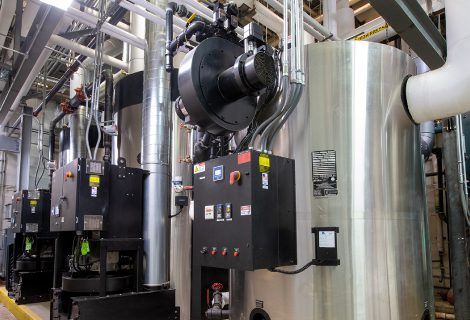
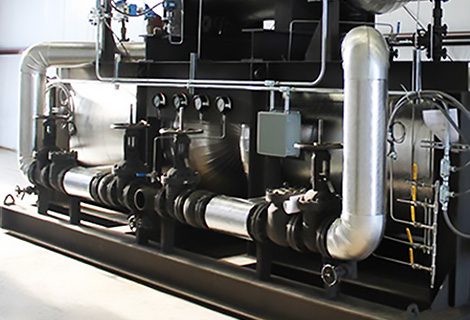
About 25 years ago, ATI began supplying gas detection systems to address risks from combustible and toxic gases, particularly in mechanical and boiler rooms. At that time, code requirements did not mandate these systems, but some property managers recognized their value for enhancing safety and protecting equipment.
Today, gas monitoring equipment is the norm and plays a crucial role in meeting modern safety codes across a wide range of facilities. What was once an elective is now a code requirement. Many buildings need to include gas monitoring to pass safety standards.
Applications Beyond Boiler Rooms
What began as a solution for monitoring combustible and toxic gases in boiler rooms has expanded into many other environments, including:
- Automotive repair and maintenance facilities
- Welding and fabrication shops
- Truck service bays
- Parking garages
- Chiller and mechanical rooms
For each of these settings and for boiler room settings, ATI offers innovative solutions to detect flammable, toxic, or otherwise hazardous gases to manage and ensure operational safety.
Designing a Gas Detection System: Key Considerations
There are a few key factors to consider when designing the equipment for a gas monitoring system:
1. Identify the Gas Hazards
- Is the gas combustible or flammable?
- Is it inert but toxic to life?
- Could it be reactive when exposed to other substances?
Understanding the gases present and their behaviors is the first step in selecting the right detection approach.
2. Define Needed System Functions:
A gas leak detection system can perform a wide range of functions to help mitigate risk. Each of the following actions can enhance safety:
- Shutting down equipment
- Closing fuel safety valves
- Activating ventilation systems and dampers
- Triggering audio/visual alarms
- Communicating with a building DDC or fire alarm system
Each building has its own set of conditions and potential hazards, so system designers should evaluate which features provide the most effective response for specific environments. The specific combination used should be determined by the building type, layout, and operational requirements, as well as other factors.
Choosing the Right Equipment and Sensors
Depending on the environment and the objectives of the system, gas monitoring equipment can include the following specifications:
- Stand-alone gas sensors
- Networked sensors connected to a central controller
- Fixed systems using hardwired or wireless gas detection system components
- Integrated setups compatible with BMS or fire panels
Sensors are available in several varieties, including:
- Electrochemical
- Optical sample-draw
- Diffusion-based
- Explosion-proof designs
Each sensor has limitations to the range that it can cover and its environmental requirements. The size of the area being monitored, the position of the equipment in the area, and the flow of traffic through the area must all be considered.
The positioning of the sensors themselves is also specific to the sensor type and the type of gas being detected. Gases that are heavier than air should employ sensors located in the lower portion of the area, whereas gases that are lighter than air should have sensors positioned closer to the ceiling level.
Centralized Control and Power Reliability
Most systems use a central control panel, typically PLC-based, to manage sensor inputs and trigger safety responses. These panels do the following:
- Support local or remote monitoring
- Offer customizable alarm settings
- Include interface relays for integration with other systems
Note: Battery backup power supplies are available, which can provide emergency power to the controller and sensors during an electrical outage.
Calibration and Maintenance: Ensuring Long-Term Performance
Proper startup calibration and regular maintenance are essential to system reliability. To maintain optimal performance, sensors should be
- Calibrated at least twice annually
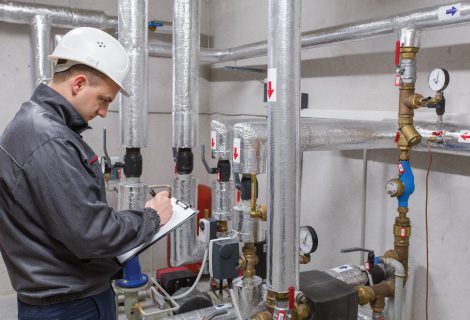
- Inspected and tested routinely
These practices ensure the system continues to operate as intended, helping to safeguard personnel and property over time.
The Value of Proactive Detection
Investing in advanced gas detection systems delivers both compliance and peace of mind. From gas leak risk assessment through installation and ongoing servicing, each step contributes to safer operations and fewer disruptions. Even a single undetected leak can lead to serious consequences. A well-placed combustible gas monitor can be the difference between a controlled situation and a costly emergency. As codes continue to evolve and gas-related hazards become more widely recognized, it is increasingly important for facilities to have the right systems in place.
Contact ATI of NY today to learn more about our Fixed Systems Solutions for 24/7 Gas Monitoring.
Get a FREE Consultation on Gas Detectors & Controllers Now!
Call us at 631-331-0215 or fill out the form and one of our representatives will get back to you shortly.
See our available models:

Beacon 410A Four Channel Wall Mount Controller
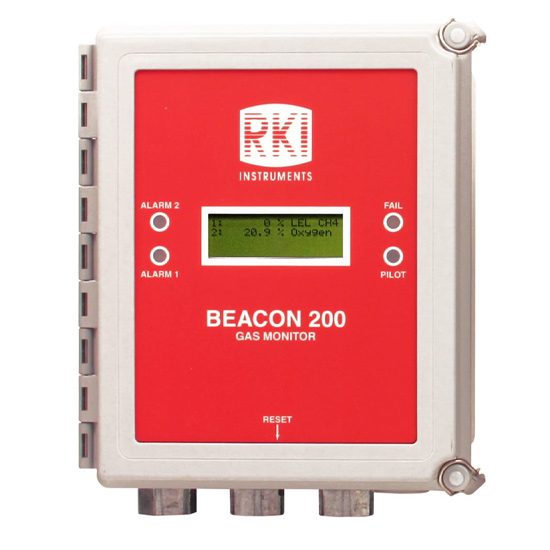
Beacon 200 Two Channel Wall Mount Controller

M2A-XL Stand Alone Transmitter
