







Why the Right Domestic Hot Water System Matters
Domestic hot water systems play an essential role in facilities such as healthcare campuses, higher education buildings, hospitality properties, office towers, industrial sites with washdown needs, and any high occupancy building that depends on consistent hot water for sanitation or comfort. Because these systems operate continuously and often carry peak loads at predictable times of day, they have a major influence on energy consumption, system reliability, maintenance strategy, and occupant satisfaction.
Unlike systems that cycle seasonally or run intermittently, domestic hot water operates year-round. The performance of these systems affects everything from operating budgets to comfort to long-term equipment health. Selecting the right technology and integrating it properly can stabilize temperatures, reduce energy use, streamline maintenance, and strengthen the overall mechanical plant.
The Importance of Domestic Hot Water Systems
Domestic hot water generation affects multiple aspects of building performance:
Thermal stability – Reliable outlet temperatures support sanitation, comfort, and compliance. Even small fluctuations can disrupt sensitive operations such as patient care or commercial food service.
Energy use – Hot water often accounts for a significant portion of total building energy. Heat transfer efficiency, standby losses, and part load behavior all influence utility costs.
Interaction with other systems – Domestic hot water connects with hydronic loops, steam plants, control platforms, distribution piping, and recirculation networks. A mismatch between components can lead to temperature drift, short cycling, or inefficiency.
Space and retrofit constraints – Older facilities often have limited mechanical room footprint, which determines whether compact tankless units, plate and frame systems, or vessel-based equipment can be used.
Long term durability – Continuous operation, aggressive water chemistry, and high draw rates require materials and controls that can maintain performance through years of service.
These factors shape the decisions behind which domestic hot water strategy fits a particular facility.

Technology Options and When They Fit Best
Different buildings require different approaches to hot water production, depending on load patterns, utilities, available plant infrastructure, and space limitations.
Direct Fired Systems
Direct fired systems provide quick response and reliable temperature control. Condensing tankless units, such as the Fulton KESTAVA, are useful where mechanical room space is limited or where demand fluctuates through the day. Steam fired units, such as the Thermal Leverage Fulcrum, suit buildings with active steam plants that need rapid response and tight temperature control.
Commercial heat pump water heaters, including the Dalrada DCE WT, provide another option by extracting heat from ambient air. These systems are often used in facilities focused on reducing energy use or carbon output.
Indirect Fired Systems
Indirect systems use energy from a central boiler or steam loop and transfer it to potable water through a heat exchanger. This approach is often the best fit in buildings where a hydronic or steam plant already exists.
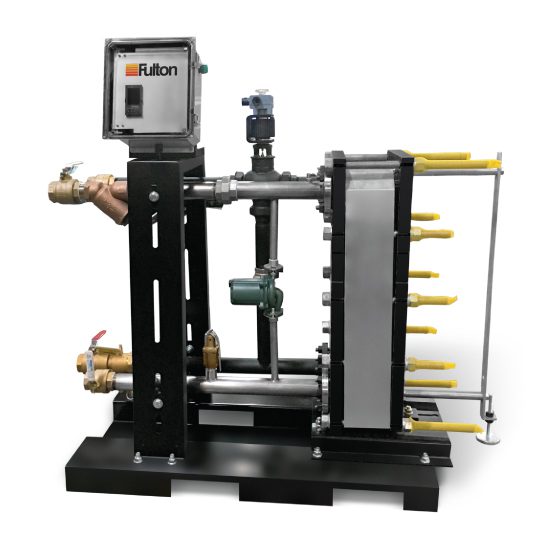
Plate and frame systems like the Fulton InTherm or Thermal Leverage Pivot Plate offer high heat transfer performance in compact footprints that suit retrofits or smaller mechanical rooms.
Booster and Distribution Systems
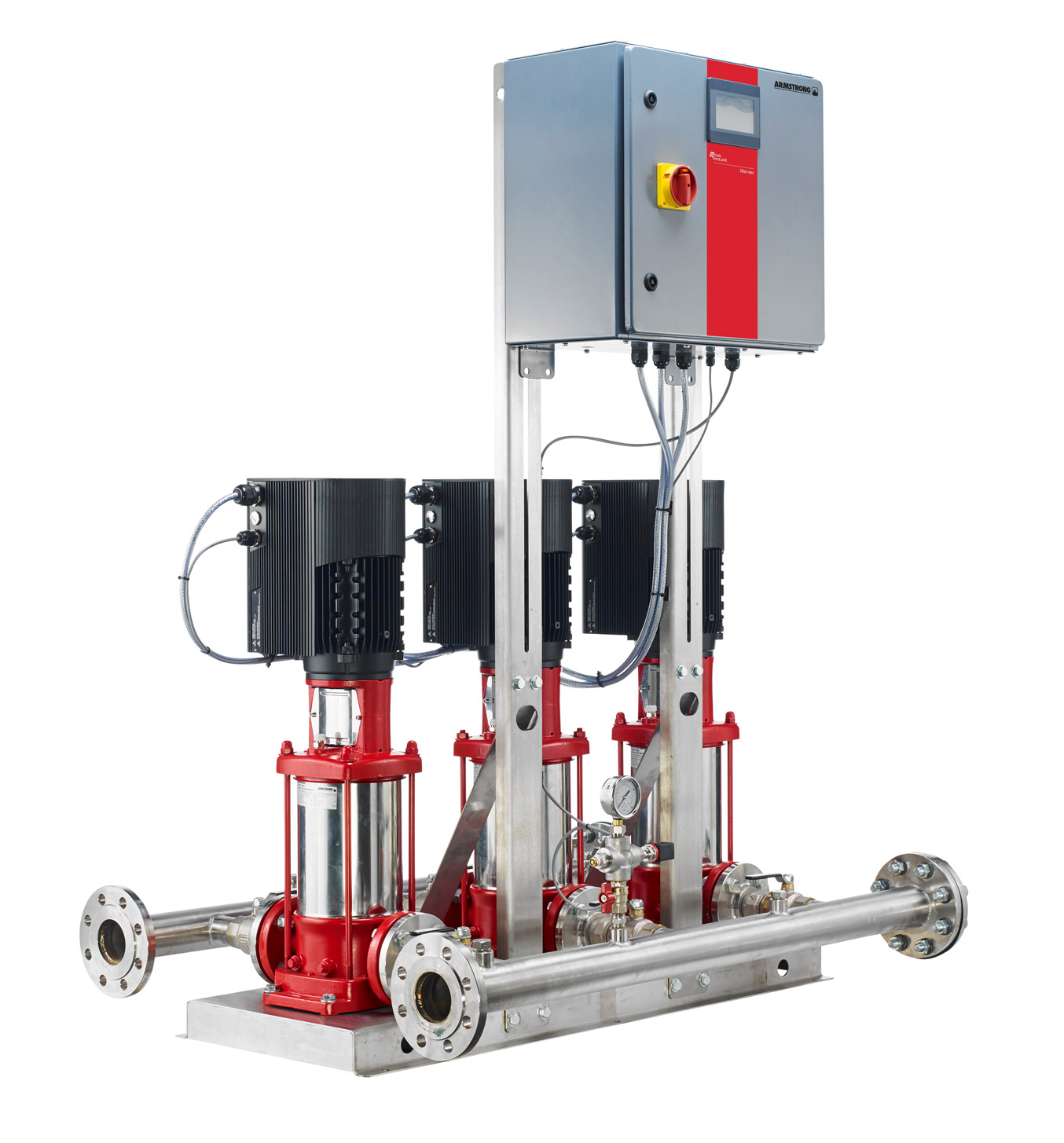
Large buildings depend on stable pressure throughout the domestic water network. Inconsistent pressure can cause temperature imbalance, slow delivery times, or poor fixture performance. Multistage booster packages such as the Armstrong Design Envelope 6800 help maintain consistent pressure, control variable demand, and support balanced recirculation in high rise or large footprint facilities.
Benefits of Selecting the Right DHW System
Choosing the appropriate domestic hot water solution influences long-term performance in ways that extend far beyond capacity alone. Here are some of the advantages of making the right choice:
Greater reliability – Properly matched equipment, heat exchanger selection, and control integration reduce cycling and maintain steady outlet temperature.
Lower energy costs – High efficiency heat transfer, reduced standby loss, and effective part load operation improve overall system performance.
Better alignment with the mechanical plant – Systems that work with existing hydronic or steam infrastructure reduce complexity and improve responsiveness.
Improved maintainability – Materials, access, and system layout influence long term serviceability and operating costs.
Support for sustainability goals – Electric and heat pump systems, when appropriate for the facility, help reduce emissions and contribute to broader decarbonization strategies.
A Holistic Approach to Domestic Hot Water
 The most successful domestic hot water systems are those designed with the building’s overall infrastructure and operational needs in mind. Load characteristics, distribution layout, water quality, existing plant conditions, and future energy goals all shape the path forward.
Examples such as the KESTAVA tankless heater, the Fulcrum steam fired system, the HWS and FPW electric and firetube heaters, the Dalrada DCE WT heat pump, indirect options such as the InTherm, Pivot and booster systems like the Armstrong 6800 demonstrate the breadth of technologies available today. These tools allow facilities to align hot water production with efficiency, reliability, and long-term performance objectives.
A well-chosen domestic hot water strategy supports occupant comfort, reduces energy use, and strengthens the building’s mechanical infrastructure for years to come.
ATI supports design teams, contractors, and facility managers throughout the selection and implementation process. Our team works with you to evaluate loads, choose the right configuration, and ensure seamless integration with existing systems. Whether the goal is efficiency, sustainability, or simply reliable hot water on demand.
ATI’s experience and product portfolio provide the tools to get it done right the first time. Contact us to learn more.
Get a FREE Consultation on Domestic Hot Water Systems!
Call us at 631-331-0215 or fill out the form and one of our representatives will get back to you shortly.
See our available models:
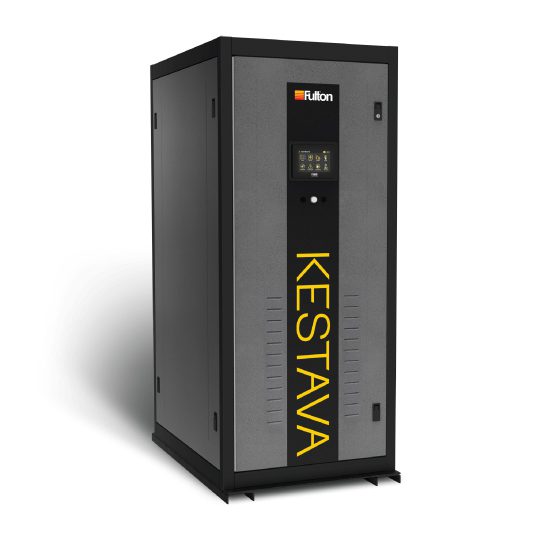
Fulton KESTAVA Water Heater
Fulton InTherm Water Heater
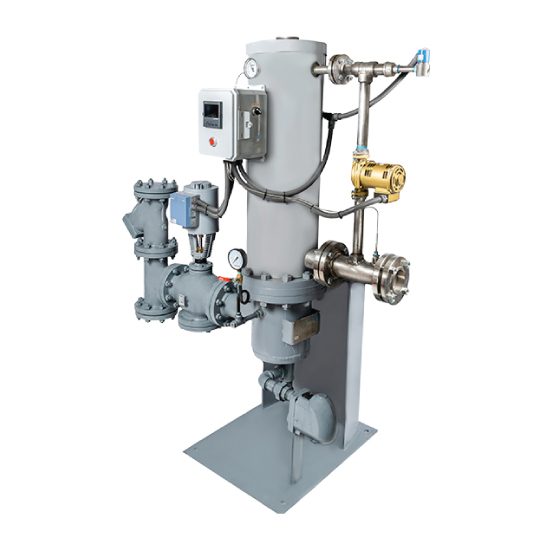
Thermal Leverage Fulcrum Water Heater
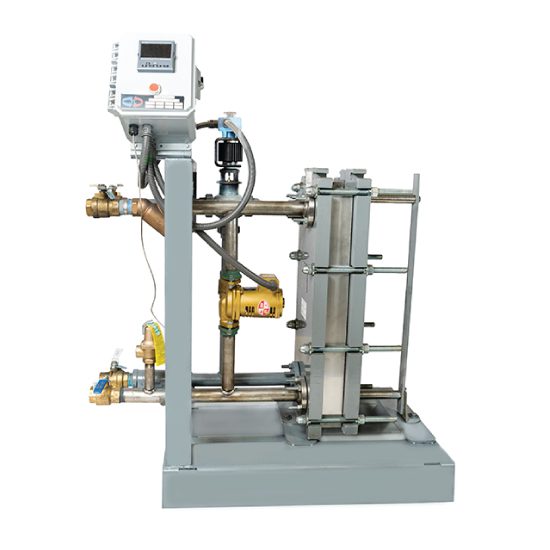
Thermal Leverage Pivot Plate Water Heater

Dalrada DCE WT Water Heater