








5 Common Process Burner Problems and How to Prevent Them
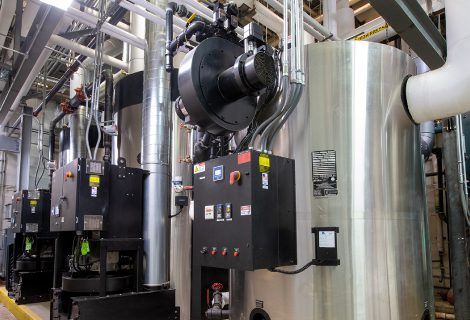
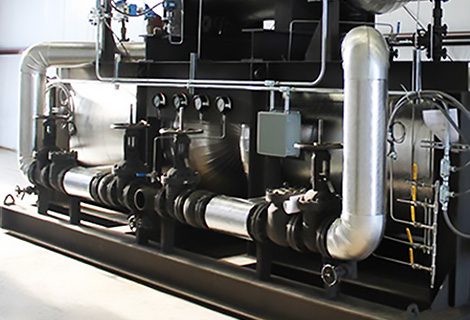
Process burners power industrial boilers, process heaters, air handlers, and ovens across manufacturing, chemical processing, food production, and refinery operations. When burners are not set up or maintained correctly, facilities can experience downtime, higher fuel costs, emissions problems, and potential safety risks.
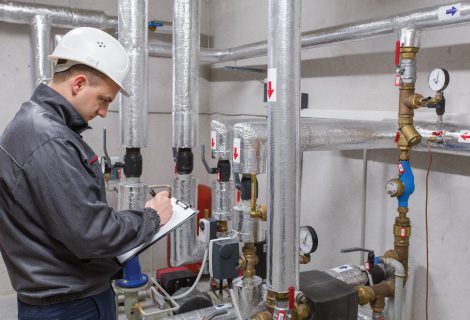
The good news is that many process burner problems are preventable. Proper burner setup during commissioning, along with routine inspections and periodic professional tuning, helps keep burners operating safely and efficiently. Taking these preventive steps early helps facilities avoid compliance issues, unstable operation, and unexpected shutdowns.
The sections below highlight five common burner problems and the preventive practices that help keep them from occurring.
1. Flame Instability
Flame instability can appear as flames lifting off the burner, fluctuating during load changes, or causing vibration and burner trips. Unstable flames reduce heat transfer and may lead to flameouts or damage to furnace components.
How to prevent it:
- Set and verify proper air-to-fuel ratios during burner commissioning
- Confirm flame shape and positioning match the furnace or heater geometry
- Inspect linkages, actuators, and control systems to ensure smooth and accurate modulation
- Keep air inlets and burner registers clean to maintain consistent airflow
- Verify stable operation across the full firing range during startup and testing
Proper burner setup and periodic combustion tuning help ensure the flame remains stable as operating conditions change.
2. Delayed Ignition
Delayed ignition occurs when fuel enters the burner but does not ignite immediately. When ignition finally occurs, it can produce a loud bang or rumble. Repeated delayed ignition events can damage burner components and interrupt production.
How to prevent it:
- Properly align and gap ignition electrodes during burner setup
- Confirm pilot flame strength and positioning during commissioning
- Verify fuel pressure and airflow levels during light-off testing
- Keep fuel ports and ignition components clean
- Test flame scanners to confirm reliable flame detection
Careful ignition system setup during commissioning helps ensure burners ignite quickly and safely during every startup.
3. Excessive Emissions
High levels of carbon monoxide (CO), nitrogen oxides (NOx), or visible stack emissions often indicate incomplete combustion. Poor combustion efficiency can also increase fuel use and make it difficult to meet regulatory requirements.
How to prevent it:
- Perform combustion analysis during initial burner setup and periodic tuning
- Adjust air registers and fuel valves to maintain proper combustion across the firing range
- Clean burner tips and registers to preserve proper fuel and air mixing
- Calibrate oxygen trim systems and monitoring equipment
- Verify burners operate within their designed load range
Proper combustion setup and regular testing help maintain efficient operation and keep emissions within acceptable limits.
4. High Fuel Consumption
Rising fuel costs can be a sign that burners are not operating efficiently. Excess air, poor control calibration, or heat transfer surfaces that need to be cleaned can all reduce combustion efficiency over time.
Even small inefficiencies can gradually increase operating costs if they are not corrected.
How to prevent it:
- Optimize excess air levels during commissioning and tuning
- Verify control curves and actuator movement across the burner firing range
- Inspect systems for air leaks or adjustments that may have drifted
- Keep heat transfer surfaces clean to maintain proper heat exchange
- Ensure burners are sized and operating within their intended firing range
Routine performance checks help identify efficiency losses early and keep fuel use under control.
5. Combustion Noise
Rumbling, whistling, or vibration from a burner can indicate unstable combustion conditions. While noise may seem minor, it can signal airflow problems or combustion imbalance that may damage equipment over time.
How to prevent it:
- Verify proper airflow distribution during burner setup
- Inspect burner tiles, diffusers, and air registers for damage or blockage
- Confirm actuators and controls respond smoothly
- Perform combustion tuning to stabilize airflow and flame conditions
Quiet operation usually indicates balanced airflow and stable combustion.
The Value of Professional Burner Management
Many burner problems are connected to the same underlying issues, including air-fuel imbalance, component wear, and gradual control drift. Without proper setup and regular maintenance, small changes in operation can lead to larger performance problems.
Facilities that treat burners as precision combustion systems can improve reliability, maintain compliance, and reduce operating costs.
ATI supplies industry-leading process burners from Power Flame, engineered for demanding industrial applications. Proper commissioning, periodic tuning, and professional maintenance help ensure these burners deliver stable performance year-round.
Contact ATI to talk about process burners and supporting systems for your industrial heating applications. Our team provides burner selection, start up, and tune-up services that maximize safety, compliance, and efficiency.